
The Rise of Multimedia in AI Search
AI search engines are no longer text-only. In 2026, ChatGPT, Perplexity, Google AI Overview, and Claude all incorporate multimedia content into their responses — citing videos, referencing podcasts, pulling data from infographics, and even describing images to answer user queries.
According to the Search Engine Journal’s 2026 State of AI Search report, 34% of AI-generated responses now include at least one multimedia reference. For how-to queries, that number jumps to 58%. Video content specifically is cited in 23% of all AI search responses, up from just 7% in early 2025.
This shift creates a massive opportunity for content creators who invest in multimedia optimization. Yet most GEO strategies still focus exclusively on text content, leaving the multimedia dimension largely uncontested. This guide covers everything you need to know about optimizing video, audio, visual, and interactive content for AI search visibility.
How AI Engines Process Multimedia Content

Before diving into optimization strategies, it’s essential to understand how AI engines actually process and index multimedia content. The mechanisms differ significantly from how they handle text.
Video Content Processing
AI engines process video content through multiple channels:
- Transcripts and captions: The primary text layer. AI engines extract and index closed captions, subtitles, and auto-generated transcripts. This is the most important optimization surface for video
- Video metadata: Title, description, tags, chapters, and timestamps provide structured context about video content
- Schema markup: VideoObject schema tells AI engines exactly what a video contains, its duration, upload date, and relationship to surrounding content
- Visual analysis: Advanced AI engines can analyze video frames to understand visual content, though this is still secondary to text-based signals
- Engagement signals: Watch time, completion rates, and user interactions inform quality assessment
Key insight: AI engines primarily “read” videos through their text layers (transcripts, metadata, schema). A video without a transcript is nearly invisible to AI search.
Audio Content Processing
Podcasts and audio content follow a similar pattern:
- Transcripts: Full episode transcripts are the primary indexing mechanism
- Show notes: Structured show notes with timestamps, guest information, and topic summaries
- RSS feed metadata: Episode titles, descriptions, and categorization in podcast feeds
- PodcastEpisode schema: Structured data that helps AI engines understand episode content and context
Visual Content Processing
Images, infographics, and data visualizations are processed through:
- Alt text: Descriptive alternative text remains the primary way AI engines understand image content
- Surrounding context: The text immediately before and after an image provides contextual understanding
- Figure captions: Explicit captions using figcaption elements are weighted heavily
- Image schema: ImageObject schema with description, creator, and content properties
- OCR and visual AI: Some engines can extract text from images and interpret charts/graphs
Video Optimization for AI Citations
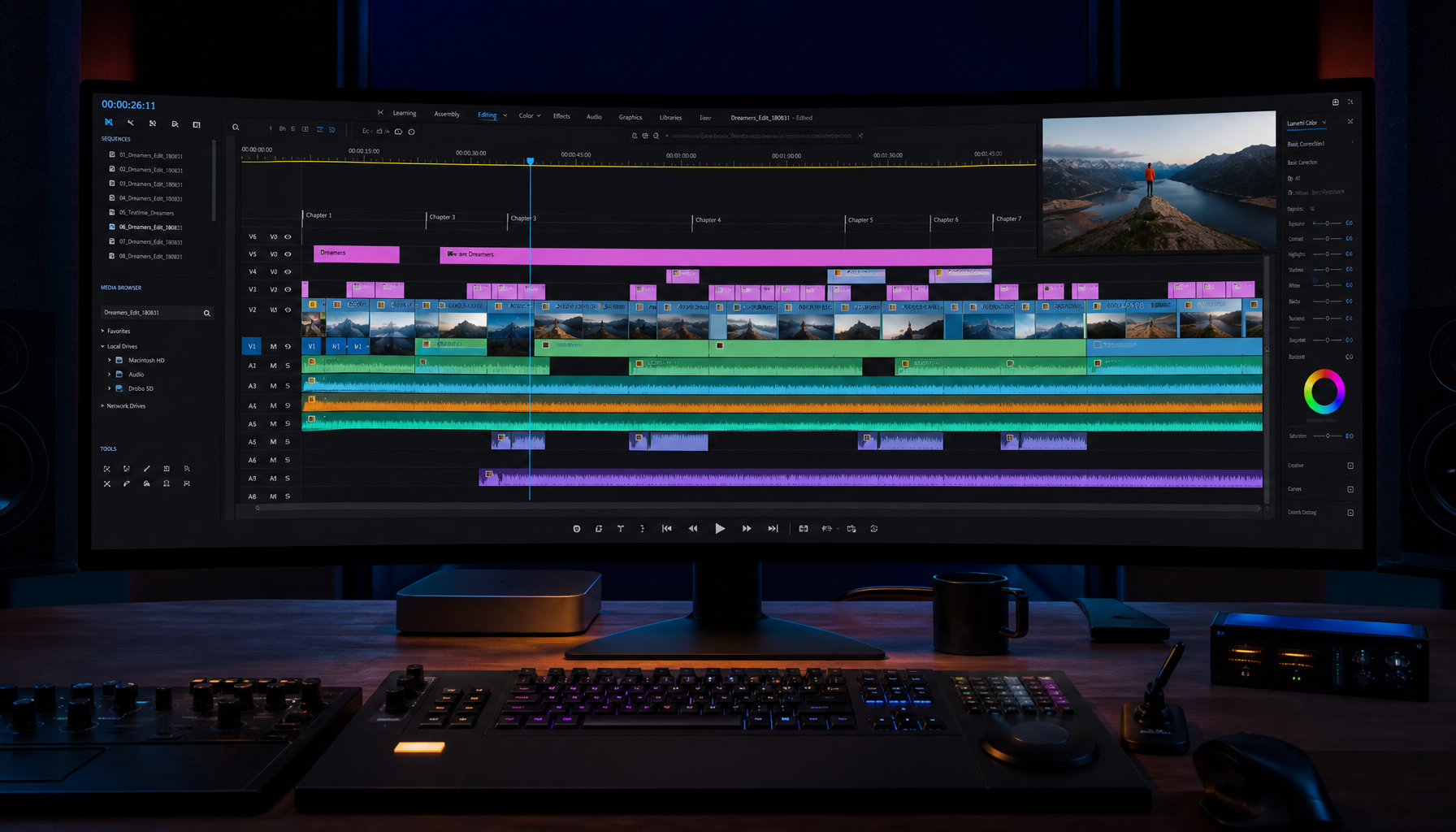
Video is the highest-impact multimedia format for AI search. Here’s how to optimize it systematically.
Strategy 1: Comprehensive Transcript Optimization
Your video transcript is the single most important factor for AI citation. Treat it as a standalone content asset:
- Human-reviewed transcripts: Auto-generated captions contain errors that confuse AI engines. Invest in human review or high-quality AI transcription with manual correction
- Speaker identification: Label who is speaking, especially for interviews and panel discussions. AI engines use speaker identity as a credibility signal
- Technical accuracy: Ensure industry terms, product names, and technical vocabulary are correctly transcribed
- Timestamp alignment: Accurate timestamps allow AI engines to reference specific moments in your video
Best practice: Publish the full transcript on the same page as the embedded video. This gives AI engines both the video metadata and the full text content in a single crawlable page.
Strategy 2: Chapter-Based Video Structure
AI engines strongly prefer videos with clear chapter structures because they can cite specific sections rather than entire videos:
- Add YouTube chapters (timestamps in description) for every distinct topic
- Use descriptive chapter titles that match common search queries
- Keep chapters focused — each should answer one specific question
- Include chapter information in your VideoObject schema using the hasPart property
Example: Instead of one 30-minute video titled “Cloud Monitoring Guide,” create chapters like “What is cloud monitoring?” (0:00), “How to set up alerting thresholds” (4:32), “Comparing monitoring tools in 2026” (12:15), etc.
Strategy 3: VideoObject Schema Implementation
Comprehensive VideoObject schema is essential for AI engine discovery:
- Include name, description, thumbnailUrl, uploadDate, and duration
- Add transcript property with the full text or a link to the transcript
- Use hasPart to define chapters with their own name, startOffset, and endOffset
- Include publisher and author information
- Add interactionStatistic for view counts and engagement metrics
Strategy 4: Video-Text Content Pairing
The most effective approach combines video with complementary text content on the same page:
- Embed the video at the top of a comprehensive written article
- The written content should expand on video topics with additional data, links, and context
- Include a “Key Takeaways” section that summarizes video content in bullet points
- Add FAQ sections that address questions raised but not fully answered in the video
This pairing gives AI engines multiple content layers to work with, significantly increasing citation probability. Pages with video + text are cited 2.1x more often than text-only pages on the same topic (Source: GEO Research Institute, Q1 2026).
Podcast and Audio Optimization
Podcasts represent an underutilized opportunity for AI citations. Most podcast content is invisible to AI engines because it lacks proper text representation.
Strategy 5: Structured Show Notes
Transform basic show notes into AI-optimized content pages:
- Episode summary: 200-300 word overview that captures the key insights and conclusions
- Timestamped topics: Every major topic discussed, with timestamps and 2-3 sentence summaries
- Guest credentials: Full bio with verifiable credentials for interview guests
- Resources mentioned: Links to every resource, study, or tool discussed in the episode
- Key quotes: Pull out 3-5 notable quotes with speaker attribution
Strategy 6: Full Episode Transcripts
Publishing full transcripts is non-negotiable for AI visibility:
- Use a dedicated transcript section below the audio player
- Format with speaker labels and timestamps every 2-3 minutes
- Add heading breaks for major topic transitions
- Include links within the transcript where resources are mentioned
- Implement PodcastEpisode schema with transcript property
Strategy 7: Audio Content Repurposing
Maximize AI visibility by repurposing audio content into multiple formats:
- Create standalone blog posts from key segments (with links back to the full episode)
- Extract data points and statistics into shareable graphics with proper alt text
- Compile multi-episode insights into comprehensive guides
- Create FAQ pages from listener questions addressed across episodes
Infographic and Visual Content Optimization
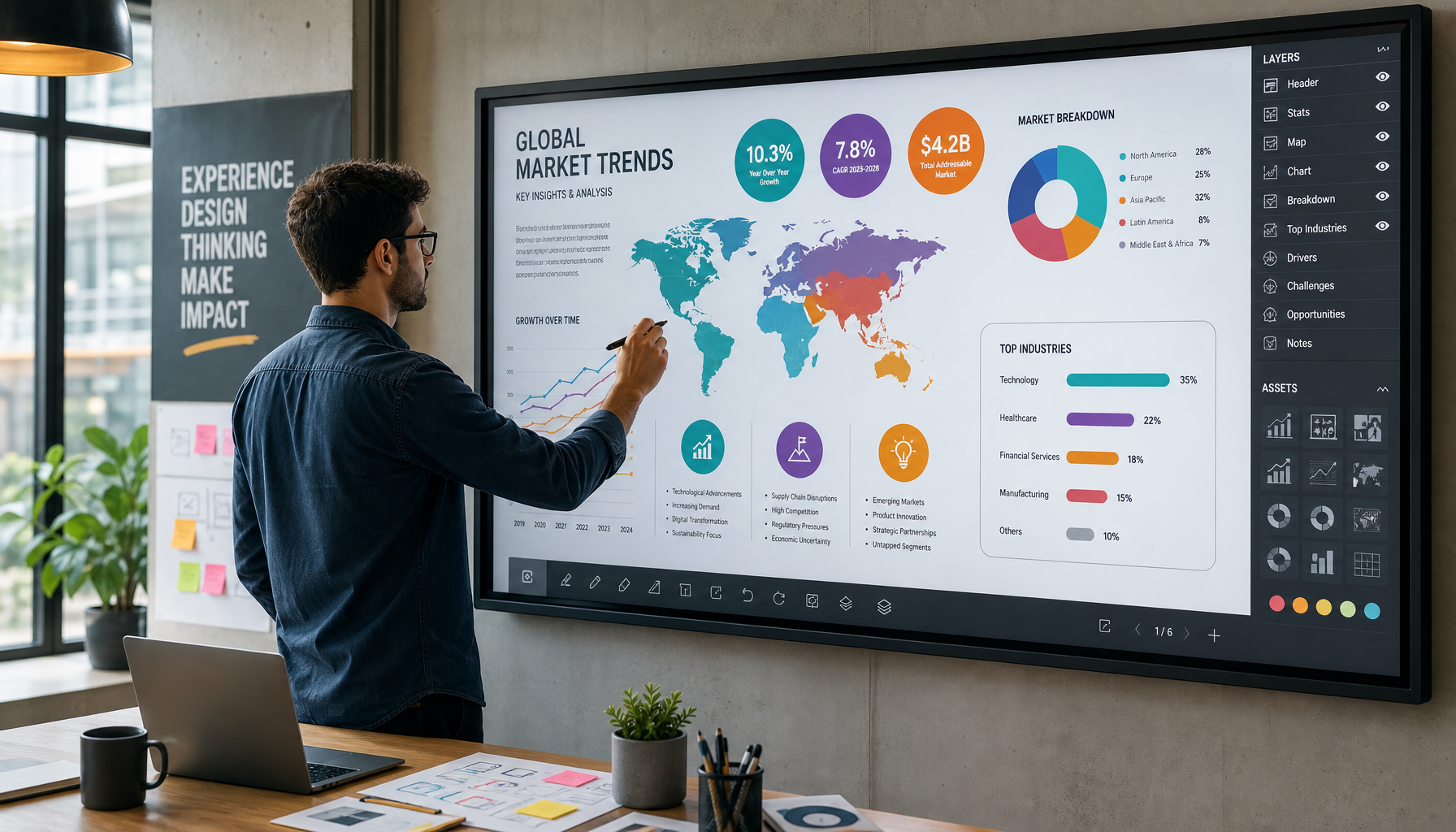
Visual content like infographics, charts, and diagrams can drive AI citations when properly optimized — but they require more deliberate text-layer work than other formats.
Strategy 8: Text-Accessible Data Visualizations
Every data visualization needs a complete text alternative:
- Descriptive alt text: Not just “infographic about cloud monitoring” but “Bar chart comparing response times across 5 cloud monitoring platforms: Datadog (2.1s), New Relic (2.4s), ExampleCloud (1.8s), Dynatrace (2.3s), Grafana (2.7s)”
- Data tables: Include the raw data from charts in accessible HTML tables on the same page
- Figure captions: Use figcaption elements with source attribution and date
- Surrounding narrative: Explain what the visualization shows in the body text, don’t rely on the image alone
Strategy 9: Infographic Page Structure
When publishing infographics, structure the page for maximum AI accessibility:
- Lead with a text introduction explaining the infographic’s key findings
- Embed the infographic with comprehensive alt text
- Below the image, provide a full text version of all information in the infographic
- Add a methodology section explaining data sources and collection methods
- Include a downloadable data set when possible
- Implement ImageObject schema with detailed description
Strategy 10: Original Data Visualizations
AI engines particularly value original data presented visually:
- Create charts from your own research or customer data (anonymized)
- Publish benchmark comparisons that don’t exist elsewhere
- Update visualizations quarterly to maintain freshness
- Include methodology notes so AI engines can assess data credibility
Original data visualizations are cited 4.3x more often than generic stock infographics (Source: Visual Content Institute, 2026). The key differentiator is uniqueness — AI engines prefer to cite primary sources.
Interactive and Emerging Formats
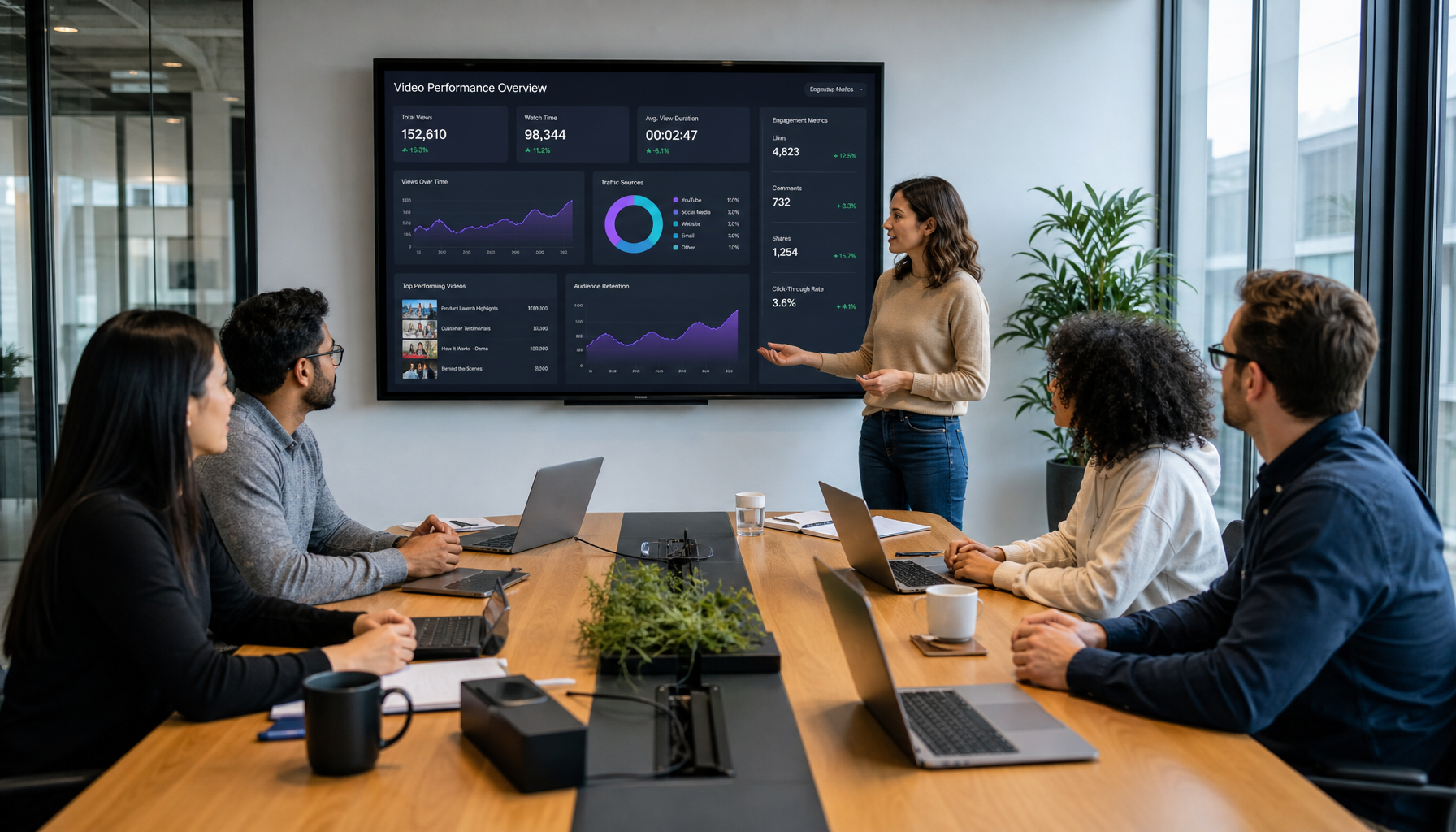
Beyond traditional multimedia, several emerging formats are gaining traction in AI search results.
Interactive Tools and Calculators
AI engines increasingly reference interactive tools when answering “how to calculate” or “how to determine” queries:
- Build calculators relevant to your niche (ROI calculators, sizing tools, comparison matrices)
- Include text explanations of the methodology behind each calculation
- Add SoftwareApplication schema for interactive tools
- Provide example outputs with explanations that AI engines can cite
Openbyt’s GEO Score Analyzer is an example of an interactive tool that generates citable content — each analysis produces structured data that AI engines can reference when discussing GEO optimization.
Webinars and Live Content
Live content that’s properly archived becomes a rich source for AI citations:
- Record all webinars and publish with full transcripts
- Create summary pages with key insights, timestamps, and speaker bios
- Extract Q&A sections into standalone FAQ content
- Use Event schema for upcoming webinars and VideoObject for recordings
Data Downloads and Research Reports
Downloadable content (PDFs, spreadsheets, datasets) can drive AI citations when properly surfaced:
- Create HTML landing pages that summarize key findings from downloadable reports
- Include executive summaries with specific data points on the landing page
- Use Dataset schema for research data
- Publish key charts and tables in HTML format (not just within PDFs)
Technical Implementation Checklist
Here’s a comprehensive checklist for multimedia GEO optimization:
Video Technical Requirements
- VideoObject schema on every page with embedded video
- Full transcript published as HTML text on the same page
- Chapters defined with timestamps in both video platform and schema
- Thumbnail image with descriptive alt text
- Video sitemap submitted to search engines
- Captions/subtitles in WebVTT format
- Embed using standard iframe or video element (not custom JavaScript players that block crawling)
Audio Technical Requirements
- PodcastEpisode or AudioObject schema
- Full transcript with speaker labels and timestamps
- Structured show notes with topic timestamps
- RSS feed with complete episode metadata
- Audio player using standard HTML5 audio element
Visual Content Technical Requirements
- ImageObject schema for significant images
- Descriptive alt text (100+ characters for complex images)
- Figure and figcaption HTML elements
- Data tables as HTML alternatives to chart images
- Image sitemap for important visual content
- WebP or AVIF format with PNG/JPEG fallbacks for performance
Measuring Multimedia AI Performance
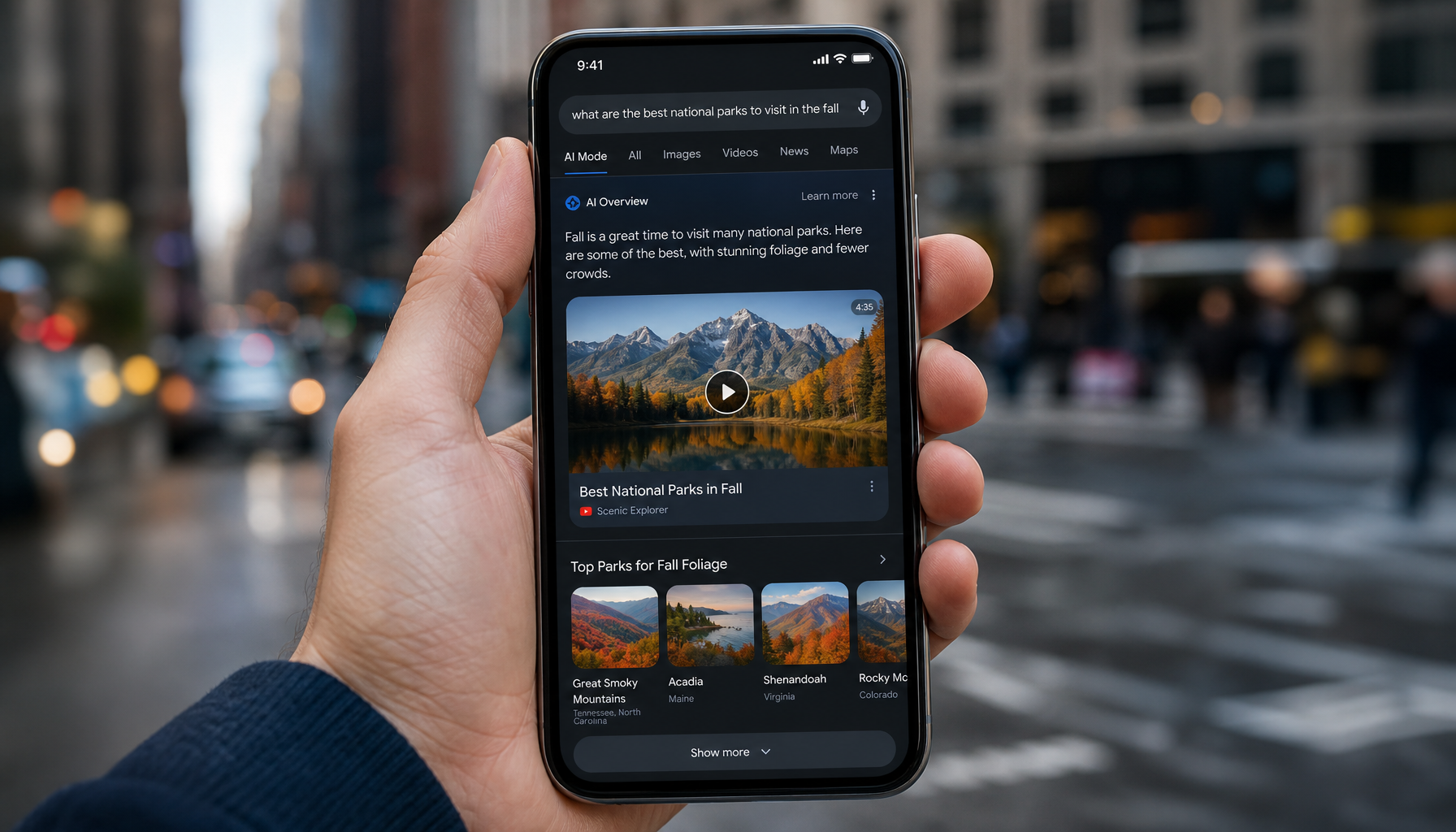
Tracking how your multimedia content performs in AI search requires specific measurement approaches.
Citation Tracking for Multimedia
Monitor AI engine responses for multimedia-specific citations:
- Track when AI engines reference your videos by title or content
- Monitor citations that include timestamps or chapter references
- Note when AI engines describe your infographic data in their responses
- Track podcast episode citations in AI-generated recommendations
Key Metrics to Monitor
- Multimedia citation rate: Percentage of relevant queries where your multimedia content is cited
- Format distribution: Which multimedia formats get cited most for your topics
- Transcript indexing: Verify that your transcripts appear in search engine indexes
- Schema validation: Regular testing that your multimedia schema is error-free
- Cross-engine performance: Which AI engines cite your multimedia content most frequently
Using GEO Score for Multimedia Pages
Run your multimedia content pages through Openbyt’s GEO Score Analyzer to evaluate how well they’re optimized for AI discovery. Pay particular attention to the Multimedia Integration dimension, which specifically evaluates how well your non-text content is made accessible to AI engines.
Common Mistakes in Multimedia GEO
Avoid these frequent errors that prevent multimedia content from being cited:
- Video without transcript: The most common mistake. Without text representation, video content is invisible to most AI engines
- Generic alt text: “Image 1” or “infographic” provides zero value. Be specific and descriptive
- JavaScript-only players: Custom video/audio players that require JavaScript execution may not be crawlable
- Missing schema: Without VideoObject or AudioObject schema, AI engines may not recognize multimedia content
- Orphaned multimedia: Videos or podcasts published without supporting text content on the same page
- Outdated transcripts: Transcripts that don’t match current video content (after edits) create inconsistency signals
- PDF-only reports: Research published only as PDFs without HTML summaries is harder for AI engines to process
Frequently Asked Questions
Do AI engines actually watch videos to understand their content?
Most AI engines primarily rely on text-based signals (transcripts, captions, metadata, schema markup) to understand video content. Some engines have visual analysis capabilities for keyframes, but text layers remain the dominant signal. This is why transcript optimization is the highest-priority action for video GEO.
Should I host videos on YouTube or my own domain for better AI citations?
Both approaches work, but the optimal strategy is to host on YouTube for discovery while embedding on your own domain with full transcripts and schema markup. YouTube provides massive reach and its own AI visibility, while your domain page gives you control over the surrounding content, schema, and text optimization that drives citations back to your site.
How long should video content be for optimal AI citation rates?
For AI citations specifically, video length matters less than structure. A well-chaptered 20-minute video with clear topic segments performs better than a 5-minute video without structure. However, individual chapters or segments should be 3-7 minutes each, as AI engines prefer to cite specific segments rather than entire long-form videos.
Are podcasts effective for AI search visibility?
Podcasts can be highly effective but only when properly optimized with full transcripts, structured show notes, and appropriate schema markup. Without these text layers, podcast content is invisible to AI engines. Optimized podcast content with transcripts is cited at rates comparable to well-optimized blog posts.
What multimedia format has the highest AI citation rate?
Video content with full transcripts and chapter structure currently has the highest multimedia citation rate at approximately 23% of relevant queries. Original data visualizations with proper text alternatives rank second. Interactive tools and calculators are growing fastest, with citation rates increasing 340% year-over-year in 2025-2026.
Start Optimizing Your Multimedia Content Today
Multimedia content represents one of the largest untapped opportunities in GEO. While most competitors focus exclusively on text optimization, you can gain a significant advantage by making your video, audio, and visual content accessible to AI engines.
The first step is assessing how well your current multimedia pages are optimized. Try Openbyt’s free GEO Score Analyzer to evaluate your multimedia content pages across all 9 optimization dimensions, including the Multimedia Integration score that specifically measures how well your non-text content is surfaced for AI engines.
With 3 free analyses per day on our free plan, you can start auditing your most important multimedia pages immediately. For content teams managing large video libraries or podcast archives, our Starter and Pro plans provide the volume needed to optimize at scale. Visit our blog for more GEO optimization strategies and stay ahead of the AI search curve.