

You can’t improve what you can’t measure. While traditional SEO has mature measurement tools like Google Search Console, Ahrefs, and SEMrush, measuring your visibility in AI search engines is a newer challenge that requires different approaches and metrics.
AI search visibility refers to how often and how prominently your content gets cited by generative AI engines when users ask relevant questions. Unlike traditional search where you either rank or you don’t, AI citation is more nuanced. Your content might be cited directly, paraphrased, used as background context, or ignored entirely depending on the query and the AI engine.
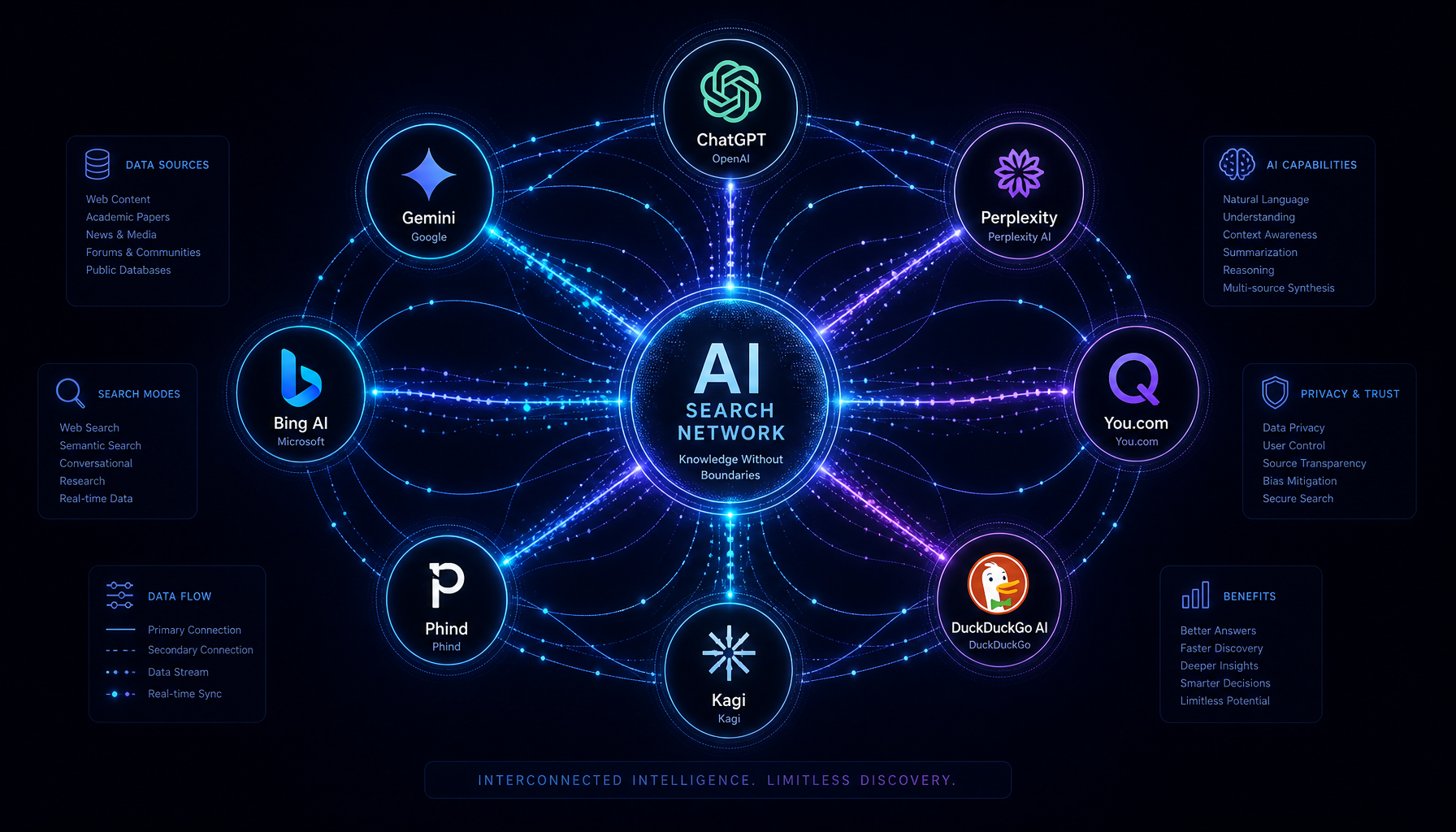
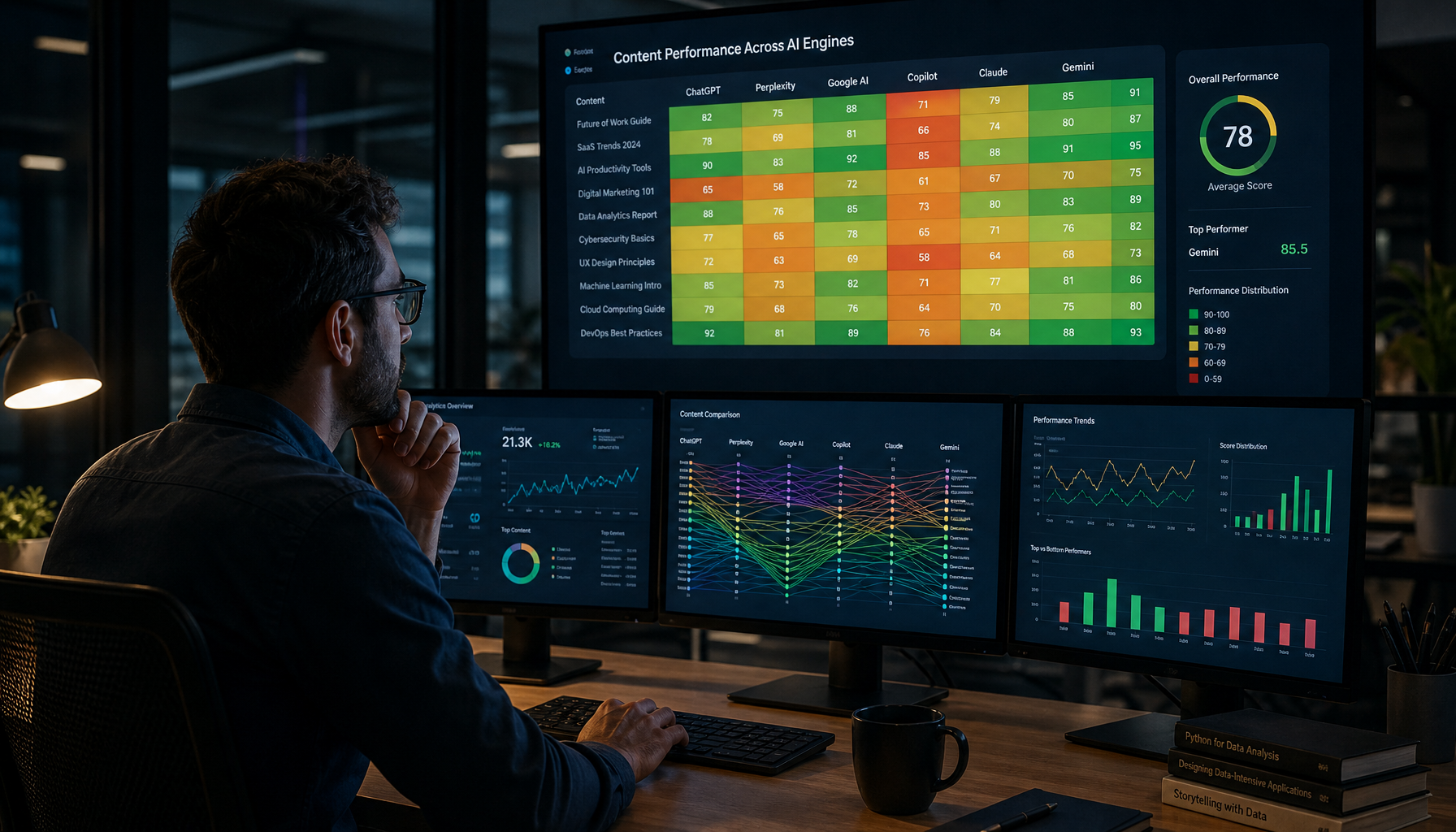
This guide covers the complete framework for measuring your AI search visibility across ChatGPT, Perplexity, Google AI Overview, Claude, and Gemini, including the tools, metrics, and processes you need to track and improve your performance.
Understanding AI Search Visibility: What You’re Actually Measuring
Before diving into measurement methods, it’s important to understand what AI search visibility actually means. Unlike traditional search rankings where position 1-10 on a SERP is clearly defined, AI citation exists on a spectrum.
Direct Citation
The highest form of AI visibility. The AI engine explicitly names your website or brand as a source, often with a clickable link. Perplexity does this consistently with numbered source references. ChatGPT does it when browsing mode is active. Google AI Overview includes source cards alongside its generated answers.
Paraphrased Attribution
The AI uses information from your content and attributes it to you, but rephrases it rather than quoting directly. This is common in longer AI responses where the engine synthesizes information from multiple sources.
Background Influence
Your content influenced the AI’s response but isn’t explicitly cited. This is the hardest to measure but still represents visibility in the sense that your content shaped what users receive. This happens when AI engines use your content during training or retrieval but don’t surface the attribution.
Zero Visibility
Your content exists on the topic but the AI engine doesn’t use it at all. Understanding why this happens is crucial for improvement.
The Core Metrics Framework for AI Visibility
To systematically measure AI search visibility, you need to track these key metrics:
Citation Frequency Rate (CFR)
How often your content gets cited when relevant queries are asked. Calculate this by dividing the number of citations received by the number of relevant queries tested. A CFR above 20% for your target topics indicates strong AI visibility.
Citation Prominence Score (CPS)
Where in the AI’s response your citation appears. Citations in the first paragraph carry more weight than those buried at the end. Score this on a 1-5 scale: 1 for end-of-response mentions, 5 for being the primary cited source in the opening statement.
Multi-Engine Coverage (MEC)
How many different AI engines cite your content for the same topic. Being cited by only one engine is risky. Track your presence across at least ChatGPT, Perplexity, Google AI Overview, and Claude to understand your cross-engine visibility.
Query Breadth Score (QBS)
The range of different queries for which your content gets cited. A page that gets cited for 50 different query variations has better AI visibility than one cited for only 3 specific queries, even if the total citation count is similar.

Manual Measurement Methods
While automated tools are emerging, manual measurement remains the most reliable way to assess AI visibility. Here’s a systematic approach:
Query Testing Protocol
Create a list of 20-50 queries that your content should be able to answer. These should range from broad topic queries to specific questions. Run each query through multiple AI engines and document whether your content is cited.
- Identify target queries: List questions your content directly answers
- Test across engines: Run each query in ChatGPT, Perplexity, Google AI Overview, and Claude
- Document citations: Record whether you’re cited, where in the response, and how prominently
- Track competitors: Note which competitors get cited instead of you
- Repeat monthly: AI engines update their retrieval regularly, so monthly testing captures trends
Competitive Citation Analysis
For each query where you’re not cited, identify who is. Analyze their content to understand what structural or qualitative differences might explain their citation advantage. Common differentiators include:
- Clearer content structure with better heading hierarchy
- More specific data points and statistics
- Stronger E-E-A-T signals (author credentials, citations to primary sources)
- More recent publication or update dates
- Better schema markup implementation
Automated Measurement Tools and Approaches
The GEO measurement ecosystem is maturing rapidly. Here are the current options for automated visibility tracking:
GEO Score Analyzers
Tools like the Openbyt GEO Score Analyzer evaluate your content’s optimization level across multiple dimensions that correlate with AI citation likelihood. While they don’t directly measure citations, they predict citation potential by assessing the factors AI engines use to select sources.
The Openbyt analyzer evaluates 9 dimensions including content structure, semantic clarity, authority signals, freshness indicators, and schema implementation. A high GEO Score correlates strongly with actual citation rates, making it a reliable proxy metric for ongoing monitoring.
Perplexity Source Tracking
Perplexity is the most transparent AI engine about its sources. Every response includes numbered citations with direct links. You can systematically query Perplexity for your target topics and track how often your domain appears in the source list. Some teams build simple scrapers to automate this process.
Google AI Overview Monitoring
Google AI Overview includes source cards that link to the pages it used to generate its response. Monitor your target queries in Google Search and note when your pages appear in the AI Overview source cards. Google Search Console is beginning to surface some of this data, though coverage is still limited.
Building a Measurement Dashboard
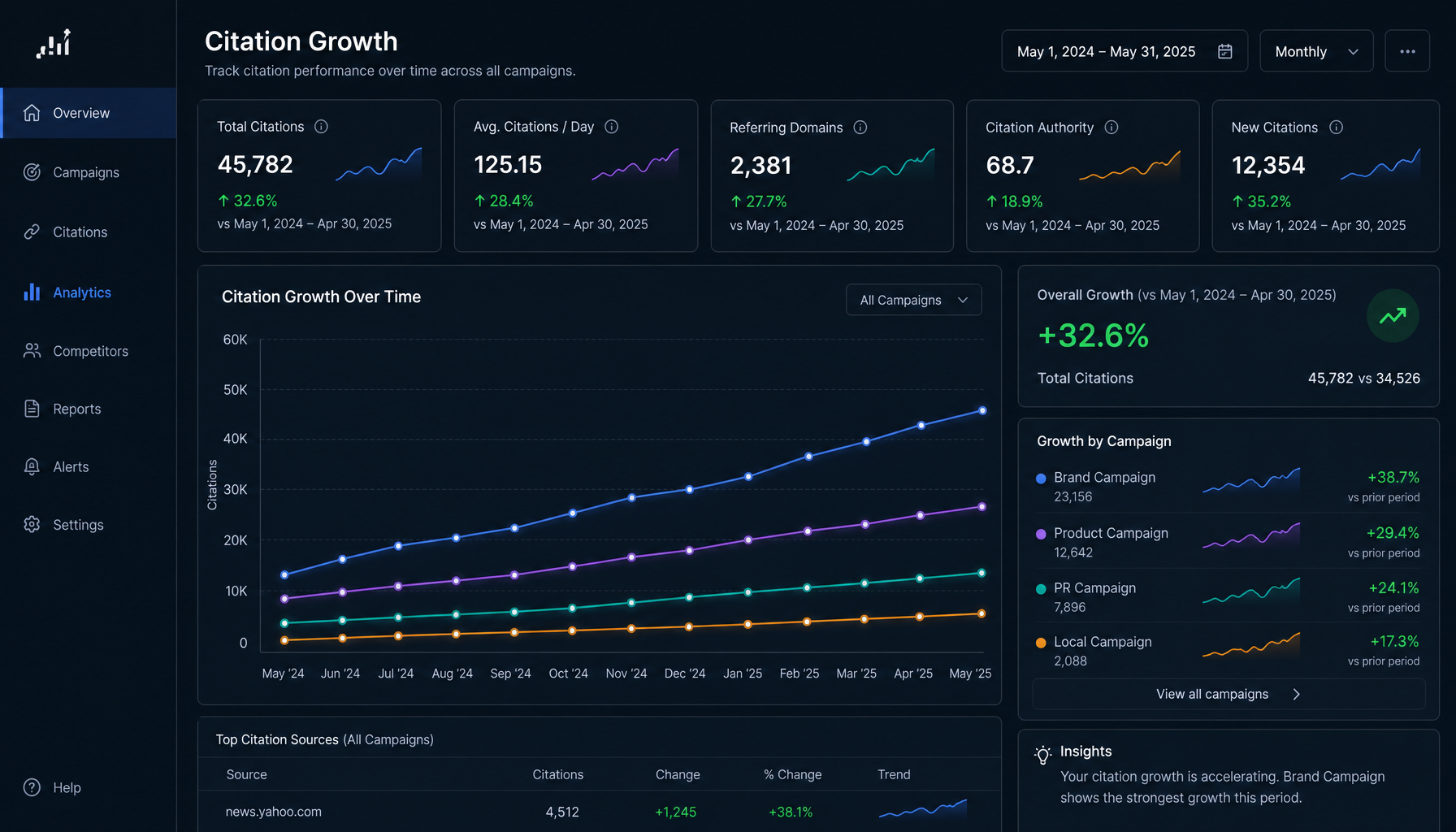
To track AI visibility effectively over time, you need a structured dashboard that captures key metrics at regular intervals. Here’s what to include:
Weekly Tracking Metrics
- Citation count by engine: Total citations received from each AI engine
- New citations discovered: First-time citations for queries not previously tracked
- Citation losses: Queries where you were previously cited but no longer are
- Competitor movement: New competitors appearing in your citation space
Monthly Analysis Metrics
- Citation Frequency Rate trend: Is your CFR improving or declining?
- Multi-Engine Coverage changes: Are you gaining or losing presence across engines?
- Content performance ranking: Which pages earn the most citations?
- Query expansion: Are you being cited for new query types?
Quarterly Strategic Metrics
- Topic authority score: How comprehensively do you cover your target topics?
- Competitive position: Where do you rank relative to competitors in citation share?
- ROI analysis: How do AI citations translate to traffic and conversions?

Measuring Traffic from AI Citations
Citations are valuable, but ultimately you want to measure the traffic and business impact they generate. Here’s how to track AI-referred traffic:
Referral Source Identification
In your analytics platform, look for referral traffic from these domains:
- chat.openai.com / chatgpt.com: Traffic from ChatGPT citations
- perplexity.ai: Traffic from Perplexity citations
- google.com (with AI Overview indicators): Traffic from Google AI Overview
- claude.ai: Traffic from Claude citations
- gemini.google.com: Traffic from Gemini citations
UTM Parameter Strategy
While you can’t add UTM parameters to AI citations directly, you can track landing page performance for pages that receive AI citations. Compare traffic patterns on cited pages versus non-cited pages to estimate AI-driven traffic volume.
Conversion Attribution
Track whether visitors from AI referral sources convert differently than those from traditional search. Early data suggests AI-referred visitors often have higher intent because they’ve already received context about your content from the AI’s response before clicking through.
The GEO Score as a Predictive Metric
While direct citation measurement tells you what happened in the past, predictive metrics help you understand what’s likely to happen in the future. The GEO Score serves this predictive function by evaluating the factors that determine citation likelihood.
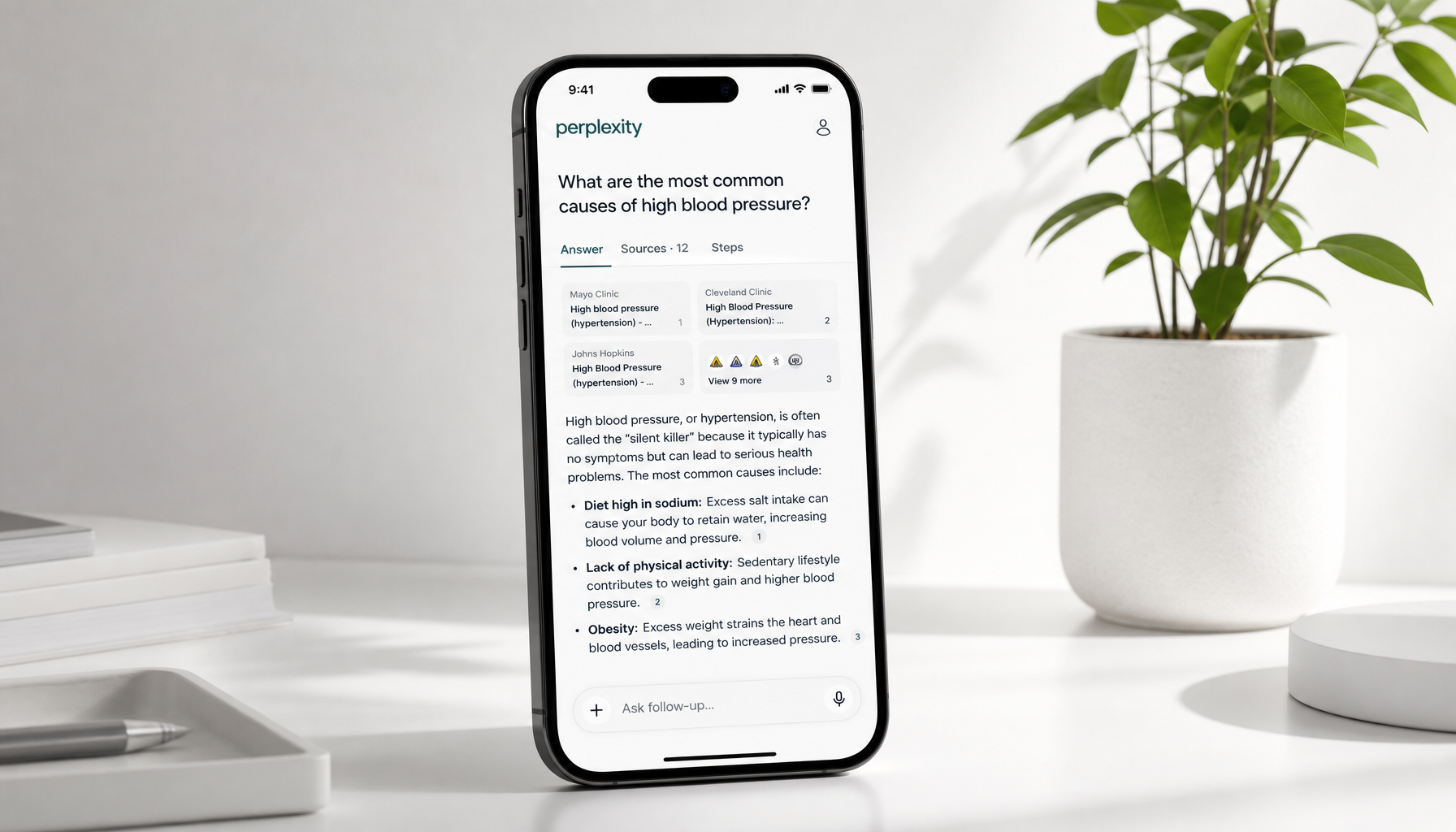
The 9 dimensions evaluated by the Openbyt GEO Score correlate with citation outcomes:
- Content structure: Heading hierarchy, semantic chunking, list usage
- Definitional clarity: Clear, extractable definitions for key terms
- Evidence density: Claims supported by data, sources, and examples
- Authority signals: E-E-A-T indicators, author credentials, citations
- Freshness indicators: Publication dates, update markers, temporal context
- Schema implementation: Structured data markup quality and completeness
- Query alignment: How well content matches likely user queries
- Comprehensiveness: Topic coverage depth and breadth
- Technical accessibility: Page speed, mobile-friendliness, crawlability
A page scoring 80+ across these dimensions has a significantly higher probability of earning AI citations than one scoring below 50. Use the GEO Score as a leading indicator to identify optimization opportunities before they impact your citation rates.
Setting Up Alerts and Monitoring
Proactive monitoring helps you catch citation losses early and capitalize on citation gains quickly.
Citation Loss Alerts
Set up weekly checks for your top-performing queries. If you lose a citation you previously held, investigate immediately. Common causes include:
- A competitor published more comprehensive or recent content
- Your content’s freshness signals became stale
- The AI engine updated its retrieval algorithm
- Technical issues made your content less accessible
New Opportunity Detection
Monitor trending topics in your niche and test whether AI engines are citing any sources for new queries. If you find queries with weak or no citations, you have an opportunity to create content that fills the gap and captures those citations early.
Competitor Citation Monitoring
Track your top 3-5 competitors’ citation presence alongside your own. When a competitor gains citations you don’t have, analyze what they did differently and adapt your strategy accordingly.
Common Measurement Mistakes to Avoid
As AI visibility measurement is still maturing, teams often make these mistakes:
Testing Too Few Queries
Testing 5 queries and concluding you have good AI visibility is misleading. AI engines respond differently to different phrasings of the same question. Test at least 20-30 query variations per topic to get a reliable picture.
Ignoring Engine Differences
Each AI engine has different retrieval preferences. Being cited by Perplexity doesn’t guarantee citation by ChatGPT. Measure each engine separately and optimize for cross-engine visibility.
Measuring Only Your Own Citations
Understanding the competitive landscape is as important as tracking your own performance. If you’re not cited, knowing who is and why gives you actionable intelligence for improvement.
Neglecting Temporal Patterns
AI citation isn’t static. Your visibility can fluctuate as engines update their indexes and algorithms. Single-point measurements are unreliable. Track trends over weeks and months to understand your true visibility trajectory.
Creating a Measurement Cadence
Here’s a practical schedule for AI visibility measurement that balances thoroughness with efficiency:
Daily (5 minutes)
Check referral traffic from AI engines in your analytics. Note any significant spikes or drops that warrant investigation.
Weekly (30 minutes)
Run your top 10 priority queries through Perplexity and ChatGPT. Document citation status and any changes from the previous week. Run a GEO Score check on any recently published or updated content.
Monthly (2 hours)
Complete full query testing protocol across all engines. Update your measurement dashboard with monthly metrics. Analyze competitor citation changes. Identify content that needs structural optimization.
Quarterly (Half day)
Strategic review of AI visibility trends. Assess ROI of GEO efforts. Plan content calendar based on citation opportunities. Review and update your target query list based on new topics and trends.
Connecting Measurement to Action
Measurement without action is just data collection. Here’s how to turn your AI visibility metrics into concrete improvements:
- Low CFR + High GEO Score: Your content is well-optimized but may lack authority signals or freshness. Focus on building topical authority and updating content regularly.
- Low CFR + Low GEO Score: Structural optimization is your priority. Use the GEO Score Analyzer to identify specific dimensions that need improvement.
- High CFR on one engine, low on others: Investigate what the citing engine values that others don’t. Often this reveals opportunities to add schema markup or improve specific structural elements.
- Declining CFR over time: Check for freshness issues, new competitors, or technical problems. Update content with current data and ensure your pages remain technically accessible.
Frequently Asked Questions
How long does it take to see improvements in AI citation rates?
After making structural and content optimizations, most sites see changes in AI citation rates after recrawling, with timing varying by engine and site authority. AI engines re-crawl and re-index content regularly, though the exact frequency varies by engine. Perplexity tends to pick up changes fastest, while ChatGPT’s training-based knowledge updates less frequently than its browsing-based citations.
Can I track AI visibility for free?
Yes, manual query testing is free but time-intensive. You can test queries directly in ChatGPT, Perplexity, and other AI engines without any tools. The Openbyt GEO Score Analyzer offers 3 free analyses per day to help you assess optimization potential. For systematic tracking at scale, the Pro plan at $19/month provides 50 prompts / keywords.
Which AI engine should I prioritize for measurement?
Start with Perplexity because it’s the most transparent about sources, making measurement straightforward. Then add Google AI Overview because of its massive user base. ChatGPT and Claude should be tracked as secondary engines unless your audience specifically uses them for research in your niche.
How do I know if a citation is driving actual traffic?
Check your analytics for referral traffic from AI engine domains (perplexity.ai, chat.openai.com, etc.). Also monitor landing page traffic patterns for pages you know are being cited. A sudden increase in direct or organic traffic to a specific page often correlates with new AI citations, even when the referral source isn’t perfectly tracked.
What’s a good Citation Frequency Rate to aim for?
For your primary topic area, aim for a CFR of 25-40% across your target queries. This means your content gets cited for roughly one-quarter to one-third of relevant queries. Top performers in competitive niches achieve 40-60% CFR, but this requires comprehensive content coverage and strong authority signals. Any CFR above 15% indicates meaningful AI visibility.
Start Measuring Your AI Visibility Today
You can’t optimize what you don’t measure, and AI search visibility is no exception. The good news is that measurement doesn’t require expensive tools or complex infrastructure. Start with manual query testing, establish your baseline metrics, and build from there.
Ready to get your first measurement? Try the free Openbyt GEO Score Analyzer to instantly evaluate how well your content is optimized for AI engine citations. You’ll get a detailed breakdown across 9 dimensions with specific recommendations for improvement. Three free analyses per day, no signup required.