
Google AI Overview has fundamentally changed how search results appear for millions of queries. Instead of simply listing blue links, Google now generates AI-powered summaries that synthesize information from multiple sources directly in the search results page. For content creators and marketers, understanding the ranking factors that determine which sources get cited in these AI Overviews is no longer optional — it’s essential for maintaining search visibility in 2026.
This comprehensive guide decodes the ranking factors that influence Google AI Overview citations, based on extensive testing, industry research, and real-world optimization data. Whether you’re a content strategist, SEO professional, or business owner, you’ll learn exactly what signals Google’s AI uses to select and cite sources.
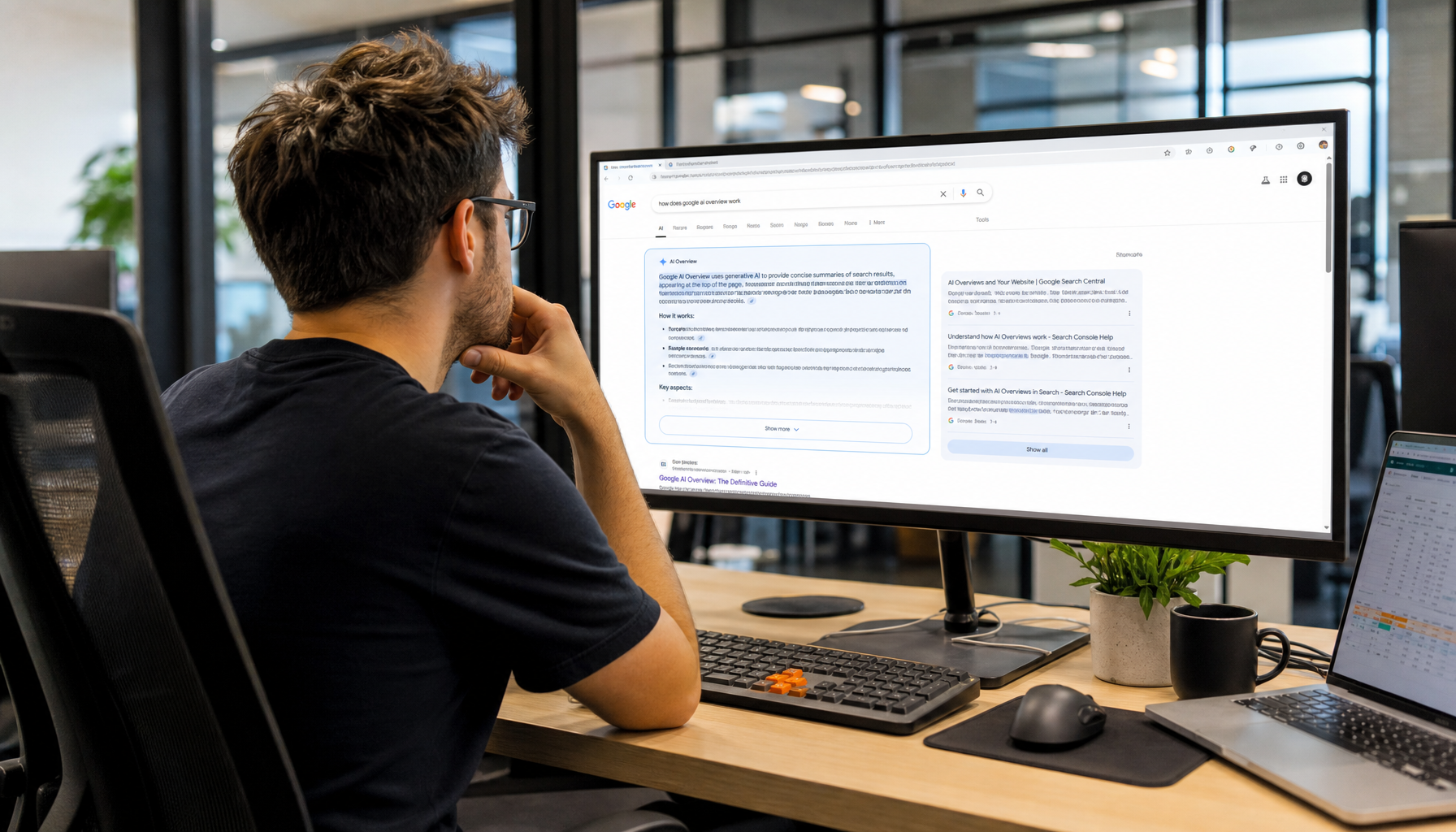
What Is Google AI Overview and Why Does It Matter?
Google AI Overview (formerly known as Search Generative Experience or SGE) is Google’s AI-powered feature that generates comprehensive answers directly within search results. Launched broadly in 2024 and expanded significantly through 2025 and 2026, AI Overview now appears for approximately 40-60% of informational queries in English-speaking markets.
Unlike traditional featured snippets that pull from a single source, AI Overview synthesizes information from multiple web pages, citing them as references within the generated response. This creates a new competitive landscape where being cited as a source in AI Overview can drive significant traffic and brand authority.
The Traffic Impact of AI Overview Citations
Research from multiple SEO platforms indicates that sources cited in Google AI Overview experience:
- 15-35% higher click-through rates compared to standard organic positions 4-10
- Increased brand trust signals as users associate cited sources with authority
- Compound visibility effects when cited across multiple related queries
- Higher engagement metrics from visitors who arrive via AI Overview citations
The key insight is that AI Overview doesn’t simply replace organic traffic — it redistributes it toward sources that the AI deems most authoritative and relevant for synthesizing answers.

The 12 Core Ranking Factors for Google AI Overview
Through extensive analysis of AI Overview citations across thousands of queries, we’ve identified 12 core factors that influence whether your content gets cited. These factors fall into three categories: content quality signals, technical signals, and authority signals.
Category 1: Content Quality Signals
1. Comprehensive Topic Coverage
Google’s AI Overview strongly favors content that provides comprehensive coverage of a topic. Pages that address multiple facets of a query — including related questions, edge cases, and practical applications — are significantly more likely to be cited than thin or narrow content.
What this means in practice:
- Cover topics in depth with 2,000+ words for complex subjects
- Address the primary query plus 3-5 related sub-questions
- Include practical examples, data points, and actionable steps
- Provide context that helps the AI understand the full scope of the topic
2. Factual Accuracy and Verifiability
AI Overview prioritizes sources that contain verifiable facts, statistics, and claims that can be cross-referenced with other authoritative sources. Content that includes specific data points, research citations, and verifiable claims receives preferential treatment in AI synthesis.
To optimize for this factor:
- Include specific statistics with source attribution
- Reference peer-reviewed research or industry reports
- Provide dates and context for time-sensitive information
- Avoid vague claims that cannot be independently verified
3. Clear Information Hierarchy
Content with a clear, logical structure using proper heading hierarchy (H2, H3, H4) makes it significantly easier for Google’s AI to extract and cite specific information. The AI needs to understand which pieces of information answer which aspects of a query, and clear structure facilitates this.

4. Direct Answer Formatting
Pages that provide direct, concise answers to specific questions — particularly in the opening paragraph or immediately after a relevant heading — are more likely to be cited. The AI looks for clear, extractable statements that directly address user intent.
Best practices for direct answer formatting:
- Lead sections with a clear definitional or explanatory statement
- Use the “inverted pyramid” style — most important information first
- Include summary sentences that encapsulate key points
- Format lists and steps clearly for easy extraction
5. Original Research and Unique Data
Content that contains original research, proprietary data, unique case studies, or first-hand expertise receives a significant citation advantage. Google’s AI recognizes when content offers information that isn’t available elsewhere, making it an essential source for comprehensive answers.
Category 2: Technical Signals
6. Structured Data Implementation
Proper schema markup helps Google’s AI understand the context, type, and relationships within your content. While structured data alone won’t guarantee citations, it provides crucial signals that help the AI correctly interpret and attribute information.
Priority schema types for AI Overview optimization:
- Article schema with proper author, datePublished, and dateModified
- FAQ schema for question-and-answer content
- HowTo schema for instructional content
- Organization and Person schema for authority signals
- Review and Rating schema for product-related queries
7. Page Experience and Core Web Vitals
While page speed and Core Web Vitals are primarily traditional ranking factors, they also influence AI Overview citations indirectly. Pages that load quickly and provide good user experience are more likely to rank well organically, which in turn increases their likelihood of being selected as AI Overview sources.
8. Content Freshness and Update Signals
For queries where recency matters, Google’s AI strongly favors recently published or updated content. Pages with clear dateModified signals, regular content updates, and current information receive preferential citation treatment for time-sensitive topics.
9. Mobile Optimization and Accessibility
Content must be fully accessible and properly rendered on mobile devices. Since AI Overview appears prominently on mobile search results, Google prioritizes sources that provide excellent mobile experiences and meet accessibility standards.
Category 3: Authority Signals
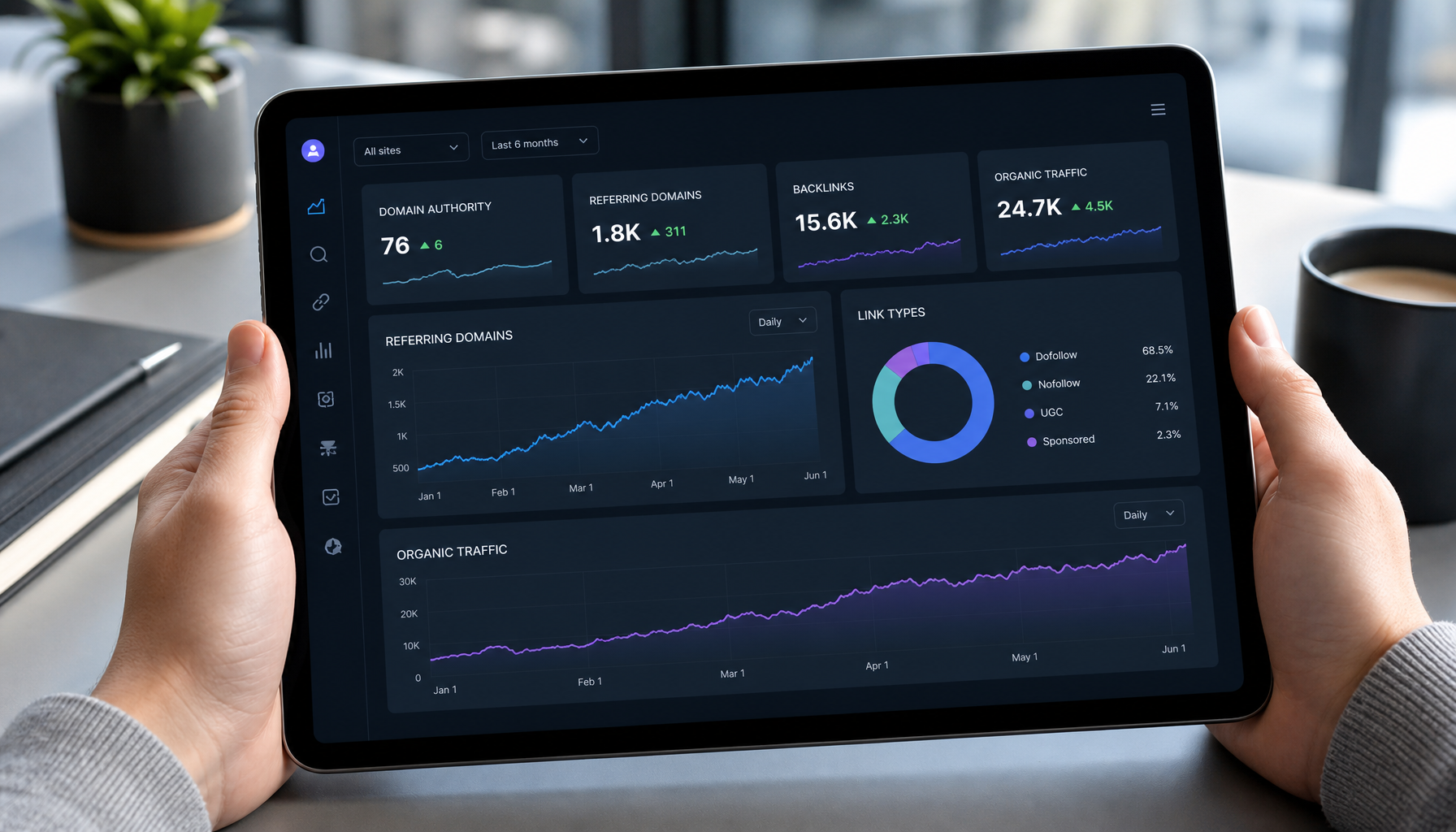
10. Domain Authority and Trust
Established domains with strong backlink profiles, long publishing histories, and recognized expertise in their niche receive preferential treatment in AI Overview citations. This aligns with Google’s broader E-E-A-T framework but is amplified in the AI context.
Key authority indicators:
- Quality backlinks from relevant, authoritative domains
- Consistent publishing history in the topic area
- Recognition from industry peers and publications
- Clear organizational credentials and expertise signals
11. Author Expertise and Credentials
Content attributed to identifiable authors with demonstrable expertise receives higher citation rates. Google’s AI evaluates author credentials, publication history, and professional background when determining source reliability.
To strengthen author signals:
- Include detailed author bios with relevant credentials
- Link to author profiles on professional platforms
- Maintain consistent authorship across publications
- Demonstrate subject matter expertise through depth of coverage
12. Source Consensus and Corroboration
Google’s AI cross-references information across multiple sources. Content that aligns with the consensus of authoritative sources on factual matters — while offering unique perspective or additional depth — is more likely to be cited. Contradicting well-established facts without strong evidence can reduce citation likelihood.

How Google AI Overview Selects Sources: The Process
Understanding the selection process helps you optimize more effectively. Based on observable patterns and Google’s published documentation, the AI Overview source selection follows this general process:
Step 1: Query Understanding
The AI first interprets the user’s query to understand intent, topic scope, and what type of information would best serve the user. This includes identifying whether the query requires factual information, opinions, instructions, comparisons, or other content types.
Step 2: Candidate Source Identification
Google identifies candidate sources from its index, heavily weighted toward pages that already rank well organically for the query or closely related queries. Pages ranking in the top 20-30 organic positions are most likely to be considered as potential AI Overview sources.
Step 3: Information Extraction and Evaluation
The AI evaluates candidate sources for relevance, accuracy, comprehensiveness, and authority. It extracts specific pieces of information that address different aspects of the query, evaluating each source’s contribution to a complete answer.
Step 4: Synthesis and Citation
Finally, the AI synthesizes information from selected sources into a coherent response, citing each source for the specific information it contributed. Sources that provide unique, verifiable, and well-structured information are most likely to receive explicit citations.
Practical Optimization Strategies
Now that you understand the ranking factors, here are actionable strategies to improve your AI Overview citation rates:
Strategy 1: Create Comprehensive Resource Pages
Develop in-depth resource pages that serve as definitive guides on specific topics. These pages should cover every aspect of a topic that a user might ask about, structured in a way that makes individual sections easily extractable by AI.
A comprehensive resource page should include:
- Clear definitions and explanations of core concepts
- Step-by-step processes or methodologies
- Data-backed claims and statistics
- Practical examples and case studies
- Common questions answered directly
- Expert insights or original analysis
Strategy 2: Implement Question-Based Content Architecture
Structure your content around the specific questions users ask. Use heading tags to frame questions, then provide direct, comprehensive answers immediately following each heading. This mirrors how AI Overview processes and extracts information.
Strategy 3: Build Topic Clusters
Create interconnected content clusters around core topics. When Google’s AI sees that your domain has multiple authoritative pages covering related aspects of a topic, it increases confidence in your domain’s expertise and citation worthiness.
Use strategic internal linking to connect related content and signal topical depth to both traditional crawlers and AI systems.

Strategy 4: Optimize for Multi-Query Relevance
AI Overview often synthesizes answers for complex queries that touch multiple sub-topics. Content that naturally addresses multiple related queries within a single comprehensive piece has more opportunities to be cited across different AI Overview responses.
Strategy 5: Maintain Content Freshness
Regularly update your content with new data, current examples, and recent developments. Implement clear dateModified schema markup and visible “last updated” indicators. For rapidly evolving topics, consider monthly or quarterly content refreshes.
Strategy 6: Leverage Your GEO Score
Use tools like the Openbyt GEO Score Analyzer to evaluate your content across the 9 dimensions that matter for AI engine citations. The GEO Score provides specific, actionable recommendations for improving your content’s AI visibility across all major generative search engines, including Google AI Overview.
Measuring Your AI Overview Performance
Tracking your AI Overview citation performance requires a combination of tools and methodologies:
Google Search Console Insights
Google Search Console now provides limited data on AI Overview appearances. Monitor your “AI Overview” impressions and clicks in the Performance report to understand which queries trigger citations of your content.
Manual Monitoring
Regularly search for your target queries and document when your content appears in AI Overview citations. Track changes over time as you implement optimization strategies.
Third-Party Tools
Several platforms now offer AI Overview tracking capabilities. Use these tools to monitor citation rates across large keyword sets and identify optimization opportunities.
Key Metrics to Track
- AI Overview citation frequency for target queries
- Position within AI Overview (primary source vs. supporting citation)
- Click-through rate from AI Overview citations
- Citation stability over time
- Competitive citation share for key topics

Common Mistakes That Prevent AI Overview Citations
Avoid these common pitfalls that can prevent your content from being cited in AI Overview:
Mistake 1: Thin Content Without Depth
Pages with fewer than 800 words rarely get cited in AI Overview for informational queries. The AI needs substantial content to extract meaningful information from.
Mistake 2: Missing or Incorrect Structured Data
Without proper schema markup, the AI has less context about your content’s type, authorship, and freshness. Implement at minimum Article schema with complete properties.
Mistake 3: Outdated Information
Content with stale statistics, outdated recommendations, or information that contradicts current consensus will be deprioritized. Keep your content current.
Mistake 4: Poor Content Structure
Walls of text without clear headings, lists, or logical organization make it difficult for AI to extract specific information. Structure your content for both human readers and AI parsers.
Mistake 5: Lack of Authoritative Signals
Anonymous content without clear authorship, credentials, or organizational backing struggles to compete against well-attributed sources. Invest in building visible authority signals.
The Future of Google AI Overview
As Google continues to evolve AI Overview, several trends are emerging that content creators should prepare for:
- Expanded query coverage: AI Overview is appearing for an increasing percentage of queries, including more commercial and transactional intent
- Deeper synthesis: The AI is becoming better at combining information from multiple sources into nuanced, comprehensive answers
- Real-time information: Google is improving AI Overview’s ability to incorporate very recent information and breaking developments
- Multimodal responses: AI Overview is beginning to incorporate images, videos, and interactive elements from cited sources
- Personalization: Citation selection may increasingly factor in user context, location, and search history
Frequently Asked Questions
How long does it take to start appearing in Google AI Overview?
After implementing optimization changes, most sites begin seeing AI Overview citations within 2-6 weeks for queries where they already rank in the top 20 organically. New content on established domains may appear after recrawling, with timing varying by engine and site authority of indexing. Building authority from scratch typically requires a variable recrawl window of consistent, high-quality publishing.
Does traditional SEO ranking still matter for AI Overview?
Yes, significantly. Google AI Overview primarily draws from sources that already rank well organically. Pages ranking in positions 1-10 are cited most frequently, though pages ranking up to position 30 can also be selected if they offer unique, relevant information. Traditional SEO remains the foundation for AI Overview visibility.
Can small websites compete with large publishers in AI Overview?
Absolutely. While domain authority matters, Google’s AI also values unique expertise, original data, and comprehensive coverage of niche topics. Small sites with deep expertise in specific areas frequently get cited over larger publishers that cover topics superficially. Focus on your areas of genuine expertise and provide depth that larger competitors cannot match.
How is AI Overview different from featured snippets?
Featured snippets pull from a single source and display a direct excerpt. AI Overview synthesizes information from multiple sources, generates original text, and cites sources as references rather than quoting them directly. This means multiple sites can be cited for a single query, and the AI may paraphrase or combine information rather than displaying your exact text.
Should I optimize differently for AI Overview versus Perplexity or ChatGPT?
While the core principles overlap (comprehensive content, clear structure, authority signals), each AI engine has unique characteristics. Google AI Overview is more closely tied to traditional organic rankings, while Perplexity emphasizes recency and direct answers, and ChatGPT favors well-known authoritative sources. A holistic GEO strategy addresses all engines simultaneously — tools like the Openbyt GEO Score evaluate your content across multiple AI engine dimensions.
Start Optimizing for Google AI Overview Today
Google AI Overview represents the most significant shift in search visibility since the introduction of featured snippets. Content creators who understand and optimize for these ranking factors will capture disproportionate visibility as AI-generated answers become the primary way users interact with search results.
The good news is that many of these optimization strategies align with creating genuinely excellent content. By focusing on comprehensiveness, accuracy, clear structure, and demonstrable expertise, you’re building content that serves both AI engines and human readers.
Ready to see how your content performs for AI search engines? Try the free Openbyt GEO Score Analyzer to evaluate your pages across 9 critical dimensions and get specific recommendations for improving your AI citation rates. With 3 free analyses per day, you can start optimizing your most important pages immediately.
Check our pricing plans for higher-volume analysis needs, including our Pro plan at $19/month for 50 prompts / keywords and our Pro plan at $49/month for Pro monitoring capacity plus API access.